Selecting the Right Anchor Bolt Sizes
Release time:2026-02-08 Click:13
In the world of construction and fencing, the stability of a structure is only as good as its connection to the ground. Anchor bolt sizes are a critical specification that determines how well a post or column can resist uplift, shear, and overturning forces. These bolts, typically made of heavy-duty steel with a hot-dip galvanized finish, are embedded into concrete footings to secure wooden or metal posts. The diameter, length, and thread pattern of the bolt must be precisely matched to the load requirements of the structure. Using an undersized bolt can lead to catastrophic failure, while an oversized bolt can split the post or be prohibitively expensive. Understanding the standard sizing charts is essential for any builder or DIY enthusiast.
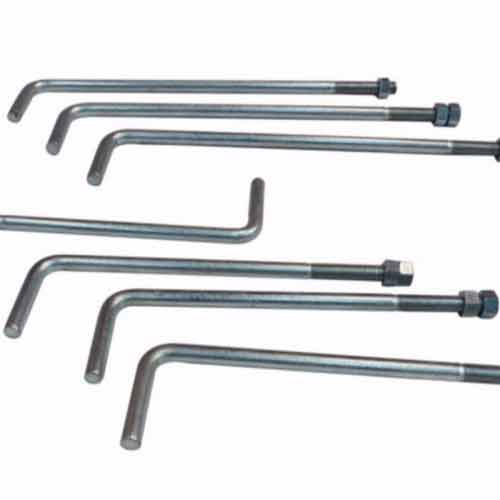
The most common anchor bolt sizes for residential fencing and light construction range from 1/2 inch to 5/8 inch in diameter, with lengths varying from 6 to 18 inches. The choice depends on the height of the fence and the wind load it must withstand. A 4-foot privacy fence might only require a 1/2-inch bolt, while a 10-foot retaining wall or a tall pergola would necessitate a 5/8-inch or 3/4-inch bolt to handle the increased leverage. The thread length is also crucial; it must be long enough to engage the nut and washer but not so long that it protrudes through the bottom of the footing, which could compromise the concrete's integrity. "J-bolts" and "L-bolts" are the most common shapes, with the hook end embedded in the wet concrete to prevent pull-out.
Installation of anchor bolt sizes requires precision to ensure maximum holding power. The hole drilled into the concrete must be slightly larger than the bolt diameter to allow for grout or epoxy adhesive to fill the gap, creating a chemical bond in addition to the mechanical grip. For masonry or block walls, specialized sleeve anchors are used instead of cast-in-place bolts. These expand behind the wall surface when tightened, providing a secure hold in hollow materials. It is vital to clean the hole of all dust and debris before inserting the bolt, as any particulate matter can reduce the friction and holding capacity. Torque specifications must be followed strictly; over-tightening can strip the threads in soft wood posts, while under-tightening leaves the structure vulnerable to movement.
Corrosion resistance is a major factor when specifying anchor bolt sizes. Because these bolts are buried in concrete, which is alkaline, and exposed to the elements at the top, they are susceptible to "creep rust" if not properly coated. ASTM A153 specifies the zinc coating thickness for hot-dip galvanized bolts. For highly corrosive environments, such as coastal areas or where de-icing salts are used, stainless steel or epoxy-coated bolts are recommended. Stainless steel (grade 304 or 316) offers superior resistance but comes at a higher price point. The size of the bolt influences the coating process; larger bolts may have thicker coatings, but the threads are often more vulnerable to damage during handling, requiring careful protection with thread seal tape or wax.
Finally, the economic and safety implications of choosing the correct anchor bolt sizes cannot be overstated. A failed anchor due to undersizing can result in thousands of dollars in damage if a fence or structure collapses. Conversely, using massive bolts for a small project is a waste of material and labor. Engineers use load calculations that factor in wind speed, soil bearing capacity, and the weight of the materials to specify the exact size needed. For the average homeowner, following the manufacturer's guidelines for post caps and brackets is usually sufficient. However, for custom builds or high-load structures, consulting a structural engineer to verify the anchor bolt size is a small investment that ensures the structure will stand for decades, providing a solid foundation for whatever is built on top of it.
Previous article:Corrosion-Resistant High-Strength Anchor Bolt Solutions for Harsh Environments
Next article:Ensuring Fluid System Integrity with a Reliable Banjo Bolt
Hot products
Mobile: +86 15369215227
Email:metalproducts2022@163.com
Email:1626757181@qq.com