Securing Structural Integrity with an Anchor Bolt Foundation
Release time:2026-03-11 Click:7
In the realm of modern construction, the connection between a building's superstructure and its base is critical for safety and stability. The anchor bolt foundation serves as the essential link that secures structural steel columns, machinery, or sill plates to the concrete below. Without these robust fasteners, a building would lack the necessary resistance to forces such as wind uplift, seismic activity, and operational vibrations. Their role is to transfer loads safely from the structure into the foundation, ensuring the entire assembly acts as a unified, rigid unit.
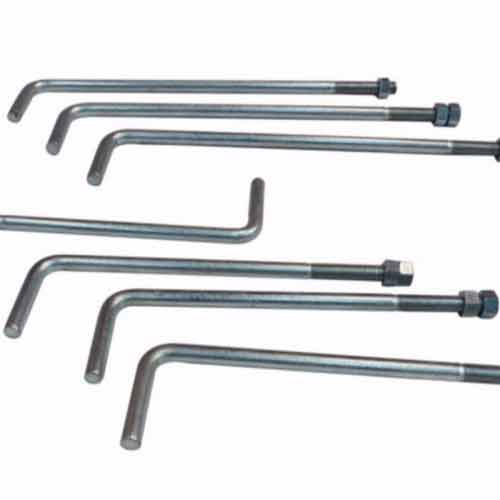
The design and selection of these bolts depend heavily on the specific requirements of the project. For heavy industrial applications, a anchor bolt foundation typically utilizes headed bolts or J-bolts that are cast directly into the wet concrete. This method provides the strongest possible hold, as the concrete cures around the bolt, creating a monolithic connection. The length and diameter of the bolt are calculated by engineers to withstand immense tension and shear forces, ensuring that the connection will not fail under extreme stress.
Accuracy during the placement phase is paramount. When casting a anchor bolt foundation, surveyors and concrete crews must use precision templates to position the bolts exactly where the structural columns will eventually stand. Even a minor deviation of a few centimeters can prevent the column from fitting, leading to costly delays and the need for field modifications. This requires a high level of skill and coordination between the engineering design team and the on-site construction crew to ensure that the layout matches the blueprints perfectly.
In retrofit or residential applications, expansion bolts or epoxy-set anchors are often used. While the casting-in method is reserved for new construction, these mechanical and chemical alternatives allow for a anchor bolt foundation to be created in existing concrete slabs. Epoxy systems are particularly effective for high-load applications, as the adhesive bond creates a strength comparable to cast-in-place bolts. This versatility allows for machinery upgrades and structural renovations without the need to pour entirely new foundations.
The materials used in manufacturing these bolts are selected for their immense strength and durability. They are typically made from high-strength carbon steel and are often hot-dipped galvanized or zinc-plated to resist corrosion. A anchor bolt foundation is expected to last the lifetime of the building, so protecting the steel from moisture and rust is critical. In corrosive environments, such as coastal areas or wastewater treatment plants, stainless steel bolts may be specified to ensure long-term performance without degradation.
In conclusion, the stability of any major structure begins at the ground level. The anchor bolt foundation is a humble but indispensable component that guarantees the building remains rooted to its base. Through precise engineering, careful installation, and the use of high-quality materials, these connections provide the resilience needed to withstand the forces of nature and time. It is a fundamental aspect of construction that underpins the safety of the built environment.
Previous article:Expansion Anchor Bolt: Rust-Resistant for Harsh Environments
Next article:Secure Fastening Solutions with the Versatility of Stud Bolts
Hot products
Mobile: +86 15369215227
Email:metalproducts2022@163.com
Email:1626757181@qq.com