The Ultimate Guide to Choosing the Right Outdoor Anchor Bolt
Release time:2026-02-11 Click:21
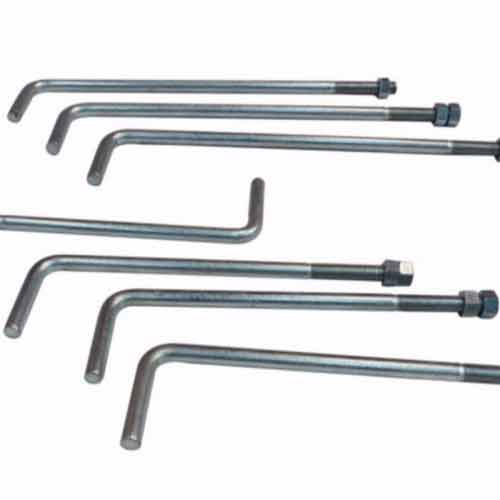
When constructing outdoor structures—from decks and pergolas to playground equipment and fencing—the integrity of the connection to the ground is paramount. The outdoor anchor bolt is the unsung hero of structural stability, securing the project to concrete or masonry foundations. Choosing the right anchor bolt is a critical decision that ensures safety, longevity, and resistance against the elements.
The first step in selecting the right anchor bolt is understanding the load requirements of the project. Different structures exert different types of forces, including shear loads (side-to-side pressure) and tension loads (pull-out force). For heavy-duty applications like securing a large shed or a tall signpost, one must choose high-strength bolts rated for significant weight. Underestimating the load can lead to structural failure, making it essential to consult engineering guidelines to ensure the bolt can handle the stress.
Material composition is the next crucial consideration. Since these bolts will be exposed to outdoor conditions, resistance to corrosion is non-negotiable. Standard steel bolts will eventually rust and weaken when exposed to rain and humidity. Stainless steel anchor bolts or galvanized steel options are preferred for outdoor use because they offer superior resistance to oxidation. Investing in corrosion-resistant materials ensures that the connection remains strong and does not deteriorate over time, which is vital for safety.
Another important factor is the type of anchor bolt mechanism required for the installation. There are various styles available, including wedge anchors, sleeve anchors, and drop-in anchors, each designed for specific applications. Wedge anchors, for example, are excellent for heavy-duty static loads in solid concrete, while sleeve anchors might be better for brick or block. Matching the bolt type to the base material ensures a tight and secure fit that will not loosen under vibration or movement.
Installation depth and hole preparation are also vital to the bolt’s performance. An anchor bolt is only as strong as the hole it sits in. The hole must be drilled to the precise diameter and depth recommended by the manufacturer; too shallow, and the bolt may pull out, while too deep can make setting difficult. Additionally, cleaning the hole of dust and debris before insertion is crucial to allow the anchor mechanism to expand and grip correctly.
In conclusion, choosing the right outdoor anchor bolt requires careful consideration of load, material, type, and installation method. It is a decision that underpins the safety of any outdoor structure. By taking the time to select the appropriate bolt for the specific environment and application, builders can ensure that their projects stand firm and secure for years to come, regardless of the weather.
Previous article:Custom-Size High-Strength Anchor Bolt for Architectural Projects
Next article:Stainless Steel Construction Site Anchor Bolt Supplier
Hot products
Mobile: +86 15369215227
Email:metalproducts2022@163.com
Email:1626757181@qq.com