How Nut Bolt Secure Fence Integrity
Release time:2026-02-13 Click:15
Nut bolts, the threaded fasteners that join fence components, are critical to ensuring structural stability, yet often overlooked in favor of more visible parts. These small but mighty pieces—comprising a bolt (male thread) and nut (female thread)—create rigid connections between posts, rails, panels, and gates, preventing wobbling, separation, or collapse under stress. From backyard gardens to industrial perimeters, their reliability makes them indispensable in fencing systems.
The role of nut bolts in fence construction is multifaceted. They secure vertical posts to horizontal rails, anchor fence panels to frames, and fasten gate hinges to posts. In metal fences, they join welded or bolted sections; in wooden fences, they reinforce joints prone to splitting. High-strength nut bolts (grade 5 or 8) are used for heavy-duty applications, while stainless steel variants resist rust in coastal or humid environments.
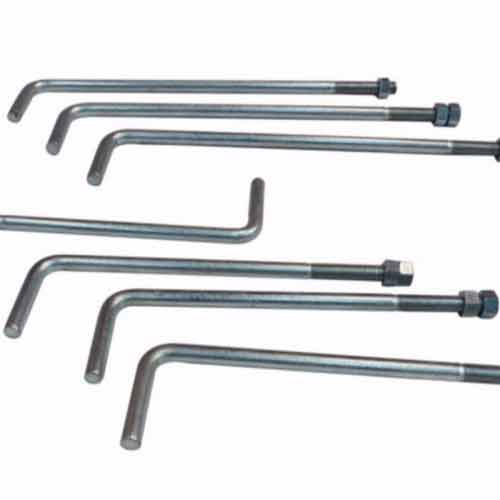
Types of nut bolts vary by design and material. Hex bolts, with six-sided heads, are common for general use, paired with hex nuts. Carriage bolts, featuring smooth rounded heads, prevent tampering in public spaces. Lag bolts, with coarse threads, grip wood deeply for added strength. Materials range from carbon steel (zinc-plated for corrosion resistance) to brass (decorative) and titanium (ultra-durable).
Installation of nut bolts demands precision. Bolts must be long enough to penetrate both components and allow a nut to tighten securely—typically 1.5 times the thickness of the thinner material. Over-tightening can strip threads, while under-tightening risks loosening. For critical joints (e.g., gate hinges), lock washers or thread-locking fluid (Loctite) prevent vibration-induced slack.
Maintenance of nut bolts focuses on preventing failure. Regular inspections check for rust, stripped threads, or loose fittings—common issues in wet or high-vibration areas. Corroded bolts are replaced with galvanized or stainless steel alternatives. Loose nuts are retightened, and missing fasteners are replenished immediately. For wooden fences, checking for bolt-induced rot (where bolts penetrate) is also key.
In summary, nut bolts are the silent guardians of fence integrity. Their ability to create strong, durable connections ensures fences perform their function safely and reliably. Next time you admire a sturdy fence, remember the humble nut bolt—without it, even the best design would fall apart.
Previous article:Stainless Steel Construction Site Anchor Bolt Supplier
Next article:Construction Anchor Bolt for Concrete Foundations
Hot products
Mobile: +86 15369215227
Email:metalproducts2022@163.com
Email:1626757181@qq.com