Versatile Fastening Solutions with Anchor Bolt Types
Release time:2026-02-18 Click:16
In construction and heavy machinery installation, the choice of fastener is critical for structural integrity, and anchor bolt types offer a diverse range of solutions for securing objects to concrete, masonry, or steel. Unlike standard screws, anchor bolts are designed to handle heavy shear and tensile loads, making them indispensable for attaching structural steel columns, machinery bases, and highway guardrails to foundations. The most common categories include cast-in-place bolts, which are embedded in wet concrete before it sets, and post-installed anchors, which are drilled into cured concrete. The selection depends on the load requirements, the condition of the base material, and whether the installation is done during the initial pour or as a retrofit.
The anchor bolt types vary significantly in their mechanical design. Wedge anchors, for example, feature a conical nut that expands a sleeve against the concrete walls when tightened, creating a friction lock. These are ideal for heavy-duty applications in solid concrete but should not be used near edges where the concrete might crack under expansion pressure. Sleeve anchors use a similar expansion principle but with a threaded sleeve, offering high pull-out resistance. For hollow or weak masonry like brick or block, toggle bolts or Molly bolts are preferred; these have spring-loaded wings that open behind the material to distribute the load over a wider area. For steel-to-steel connections, high-strength structural bolts (like A325 or A490) are used, often with tension control features to ensure precise clamping force.
Material selection for anchor bolt types is crucial for longevity and safety. Carbon steel is the most common due to its strength and cost-effectiveness, but it is prone to rust and must be galvanized or coated with epoxy for outdoor use. Stainless steel (grades 304 or 316) offers superior corrosion resistance, making it ideal for marine environments or food processing facilities, though at a higher price point. For extreme chemical exposure, specialized alloys like Monel or Hastelloy may be required. The thread type also matters; coarse threads are better for soft materials like wood or concrete, while fine threads provide greater strength in hard metals. Some anchors feature a "knurled" body to improve the bond with epoxy or grout in drilled holes.
Installation of anchor bolt types requires strict adherence to technical specifications. The hole diameter and depth must match the anchor's requirements precisely; a hole that is too large reduces holding power, while one that is too deep can weaken the base material. For adhesive anchors, the hole must be cleaned thoroughly with a wire brush and air blower to remove dust, which would otherwise prevent the epoxy from bonding. The torque applied during tightening is critical—under-tightening leads to loosening under vibration, while over-tightening can shear the bolt or crack the concrete. In seismic zones, special ductile anchors are used that can flex slightly during an earthquake without failing, protecting the structural integrity of the building.
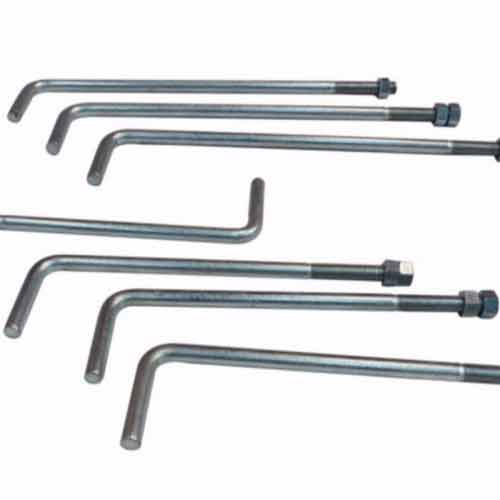
Finally, the economic and safety implications of choosing the right anchor bolt types are profound.1. In infrastructure projects like bridges or wind turbines, a single anchor failure can lead to catastrophic collapse. Therefore, engineers specify anchors with high safety factors, often testing them on-site with pull-out tests. For DIY projects, using the correct anchor prevents damage to walls and ensures shelves or heavy mirrors stay securely mounted. The variety of anchors—from simple plastic toggles for drywall to massive J-bolts for foundation walls—demonstrates their versatility. By matching the anchor type to the specific load and material, builders ensure that structures remain safe and stable for decades, proving that even small components like bolts are the backbone of modern construction.
Previous article:Manage Crowds Safely with Flexible Cone
Next article:Premium Stainless Steel Anchor Bolts for Heavy-Duty Industrial Applications
Hot products
Mobile: +86 15369215227
Email:metalproducts2022@163.com
Email:1626757181@qq.com