Securing Structures with Anchor Bolt Foundation: Engineering Stability
Release time:2026-02-28 Click:19
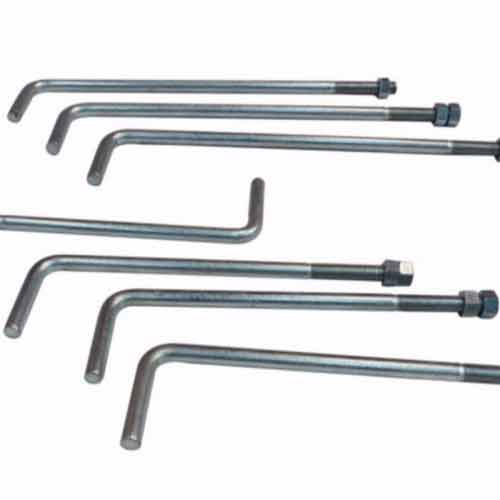
Anchor bolt foundation is a critical component in construction, providing a robust connection between structures and their base to resist lateral forces like wind, seismic activity, and soil movement. These bolts, typically made from carbon steel or stainless steel, are embedded in concrete foundations and threaded to attach columns, beams, or machinery. From residential fences to industrial plants, anchor bolt foundations ensure stability in diverse environments, making them indispensable in modern engineering.
The types of anchor bolt foundation cater to different load requirements. Mechanical anchor bolts use expansion sleeves or undercut designs to grip concrete, ideal for static loads like fence posts. Chemical anchor bolts inject epoxy resin into pre-drilled holes, creating a bond that handles dynamic loads (e.g., earthquake-prone areas). For heavy machinery, high-strength anchor bolts (grade 8.8 or 10.9) with large diameters (20–30 mm) are used. Some designs include base plates to distribute weight evenly, preventing concrete cracking.
Applications of anchor bolt foundation span residential, commercial, and industrial sectors. In fencing, they secure steel or wooden posts to concrete footings, preventing leaning in high winds. Buildings use them to anchor steel frames, while bridges rely on them for girder support. Machinery in factories, such as conveyor belts or generators, is stabilized with anchor bolts to avoid vibration damage. Even solar panel arrays use them to fix mounting structures to roofs or ground mounts.
The installation process of anchor bolt foundation requires precision. First, mark the bolt positions on the concrete foundation using templates. Drill holes (diameter 1.5x bolt size) to the specified depth (usually 10–15x bolt diameter). For chemical anchors, clean the hole with compressed air. Insert the bolt, ensuring it is plumb, and tighten nuts to the manufacturer’s torque specifications. For large projects, use laser levels to align bolts across multiple foundations. Curing time (24–48 hours for concrete) is critical before applying loads.
Materials for anchor bolt foundation prioritize strength and corrosion resistance. Carbon steel bolts are common for dry environments, while stainless steel (304 or 316 grade) is used in coastal or chemical plants. Galvanized coatings add a layer of protection against rust. The choice depends on the environment: for example, 316 stainless steel resists saltwater corrosion, making it ideal for seaside structures.
Maintenance of anchor bolt foundation ensures long-term safety. Annually inspect for rust, loose nuts, or concrete spalling around the bolt. Tighten nuts if they have loosened due to settlement. In seismic zones, check for bolt elongation or base plate deformation after earthquakes. For chemical anchors, verify the epoxy has not degraded. If damage is found, replace bolts promptly—using undersized or corroded bolts can lead to structural failure. With proper care, anchor bolt foundations last 30–50 years, providing peace of mind.
Previous article:High Strength Hot-Dip Galvanized Anchor Bolt for Structural Steel
Next article:Hot-Dipped Galvanized Anchor Bolt for Long-Lasting Corrosion Protection
Hot products
Mobile: +86 15369215227
Email:metalproducts2022@163.com
Email:1626757181@qq.com