Product details description
When it comes to securing structural elements to concrete or masonry,
choosing the right fastener is critical for safety and stability. Two of the
most common fastening solutions are anchor bolts and through-bolts. While both
serve the purpose of attaching objects to concrete, they function in
fundamentally different ways and are suited for distinct applications.
Understanding the differences between these two types of bolts is essential for
engineers, builders, and DIY enthusiasts to ensure the longevity and integrity
of their projects.
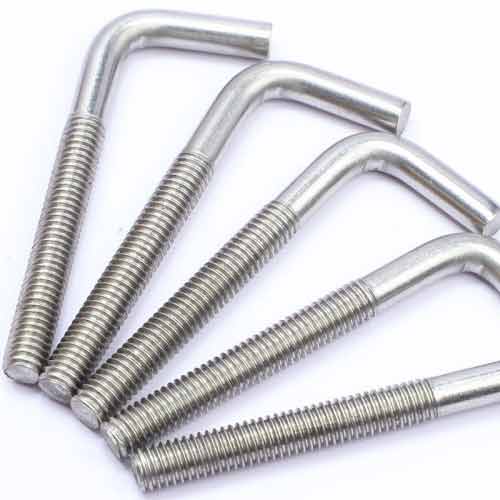
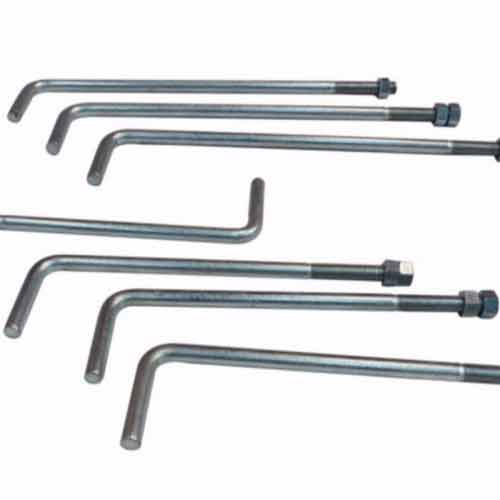
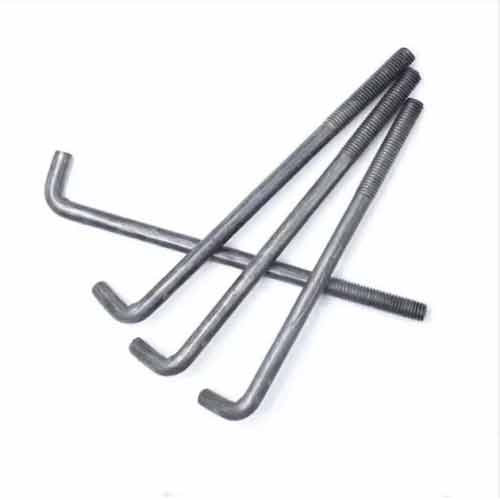
Anchor bolts are designed to be cast into concrete or drilled into it and
set with an expansion mechanism or epoxy. They are primarily used to anchor
structural columns, equipment, and machinery to concrete foundations. The
strength of an anchor bolt depends on its embedment depth and the quality of the
concrete. They are ideal for situations where the load is primarily shear or
tension, such as securing a sill plate to a foundation wall or attaching a heavy
machine base. Because they are embedded into the material, anchor bolts provide
a strong, permanent connection once set.
Through-bolts, on the other hand, are used when the material is thin enough
to be completely penetrated. This method involves drilling a hole through the
concrete (or masonry) and the object being fastened, then inserting a long bolt
and securing it with a washer and nut on the opposite side. This creates a
clamping force that holds the object securely. Through-bolts are often preferred
for applications where the load is vibrational or where the connection needs to
be disassembled and reassembled, as they do not rely on expansion or adhesion
for their holding power.
The choice between an anchor bolt and a through-bolt often comes down to
the thickness of the material and the nature of the load. If you are fastening a
heavy object to a thick concrete foundation where drilling all the way through
is impossible, anchor bolts are the necessary choice. They offer high pull-out
strength and are standard for structural connections. However, if you are
attaching a fixture to a concrete block wall where you can penetrate the hollow
core, a through-bolt with a nut on the other side provides a more reliable and
easily inspectable connection than an expansion anchor.
In conclusion, both anchor bolts and through-bolts are invaluable tools in
construction, but they serve different masters. Anchor bolts are the go-to
solution for embedding into new concrete slabs or deep anchoring in existing
concrete, providing immense static strength. Through-bolts offer versatility and
superior vibration resistance when the geometry allows for a hole to pass
through the substrate. Selecting the right fastening solution involves assessing
the specific requirements of the project to ensure a safe, durable, and
code-compliant installation.
Previous article:
Anchor Bolt Installation Techniques: Proper Methods for Concrete Foundation Applications
Next article:
Anchor Bolt Inspection and Maintenance: Ensuring Long-Term Structural Integrity