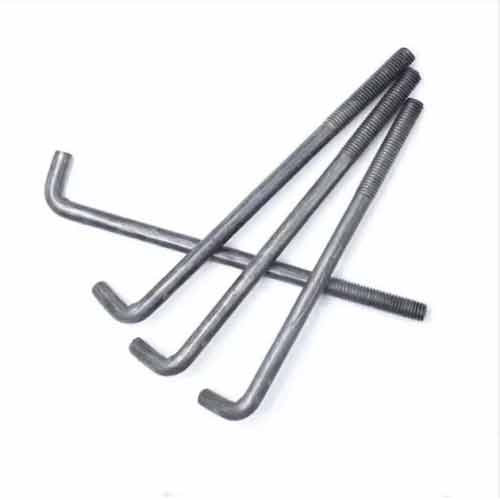
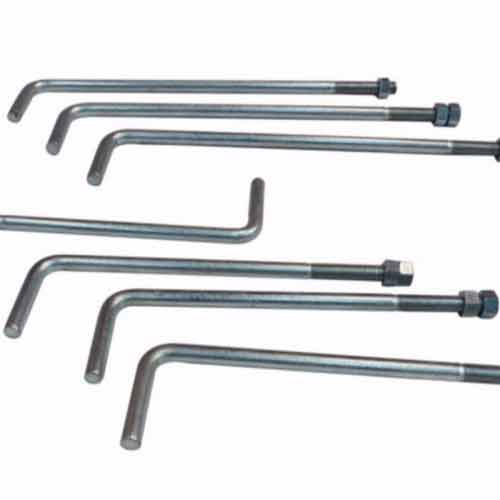
Product details description
Anchor bolts play a crucial role in securing structural components such as
fence posts, machinery bases, sign structures, and building foundations to
concrete or masonry substrates. Their integrity directly impacts the stability,
safety, and longevity of the entire assembly, making regular inspection and
proactive maintenance essential to prevent catastrophic failures. Whether
embedded during initial construction or retrofitted for upgrades, anchor bolts
must be evaluated periodically for signs of corrosion, loosening, fatigue
cracking, or improper load transfer—all of which can compromise their holding
capacity over time.
Visual inspections should be conducted at least annually, focusing on
exposed bolt heads, nuts, washers, and threaded sections for evidence of rust,
pitting, or paint flaking. In corrosive environments—such as coastal zones,
industrial sites, or areas with de-icing salt exposure—more frequent checks
(quarterly or biannually) are advisable. Non-destructive testing methods like
ultrasonic thickness gauging or magnetic particle inspection can detect
subsurface defects invisible to the naked eye, particularly in high-stress
applications such as seismic zones or heavy machinery mounts. Any identified
issues should be documented, prioritized, and addressed immediately to avoid
progressive degradation.
Maintenance procedures vary depending on bolt type and condition.
Galvanized or stainless steel bolts typically require only cleaning and
reapplication of protective coatings if surface corrosion appears. For carbon
steel bolts showing early rust, wire brushing followed by rust-inhibiting primer
and durable topcoat can restore functionality. Severely corroded or cracked
bolts must be replaced entirely; this involves carefully removing the damaged
bolt without disturbing surrounding concrete, installing a new one of equal or
greater strength, and ensuring proper torque specifications during
reinstallation. Anchor plates or baseplates should also be inspected for warping
or misalignment that could induce uneven stress distribution.
Preventative measures significantly extend anchor bolt service life.
Applying sacrificial zinc coatings, using epoxy-coated anchors in aggressive
environments, or installing plastic or rubber sleeves around bolts to isolate
them from moisture are common best practices. Additionally, maintaining adequate
drainage around anchor points prevents water pooling, which accelerates
corrosion. Training personnel to recognize early warning signs and establishing
a formal inspection schedule with digital recordkeeping ensures accountability
and consistency. By treating anchor bolts not as passive fixtures but as active
structural elements requiring care, owners and engineers can safeguard assets
and ensure long-term performance under varying operational conditions.
Previous article:
Anchor Bolt vs Through-Bolt Comparison: Selecting the Right Fastening Solution
Next article:
Concrete Anchor Bolt Placement: Spacing Requirements and Edge Distance Guidelines