Product details description
Anchor bolts are the critical link between structural steel and concrete
foundations, transferring loads and ensuring stability in buildings, towers, and
heavy equipment setups. Correct installation is paramount; errors can lead to
structural weakness or catastrophic failure, so understanding proper techniques
is essential for engineers and contractors alike.
The process begins with planning and layout. Engineers specify bolt types,
diameters, embedment depths, and spacing based on load requirements and concrete
strength. Templates or jigs ensure accurate placement before concrete is poured.
For cast-in-place bolts, the template holds the bolts in position while concrete
cures, preventing displacement. For post-installed anchors, precise drilling
locations must be marked to align with engineered plans.
Drilling and hole preparation are next for post-installed systems. Using
the correct drill bit size and hammer mode ensures clean, appropriately sized
holes. Depth gauges prevent over-drilling, which weakens the concrete. Dust
removal is critical—compressed air or vacuum systems clear debris to maximize
bond between anchor and concrete. Some adhesives require a specific surface
condition, so cleanliness directly affects holding power.
Setting the anchor follows. Cast-in-place bolts rely on concrete encasement
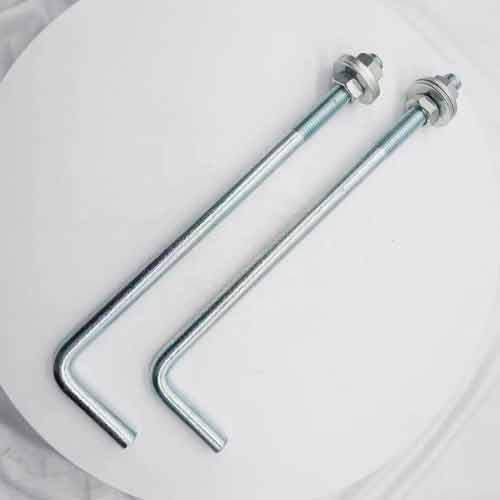
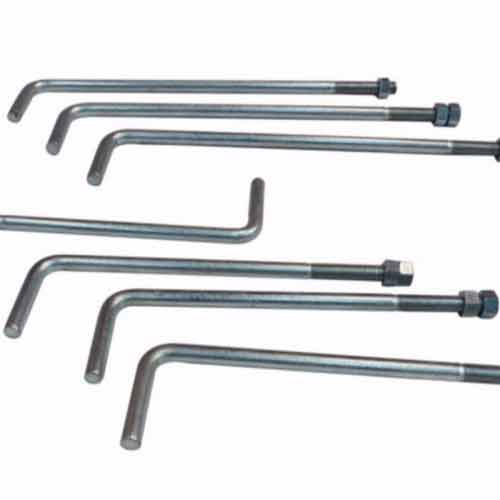
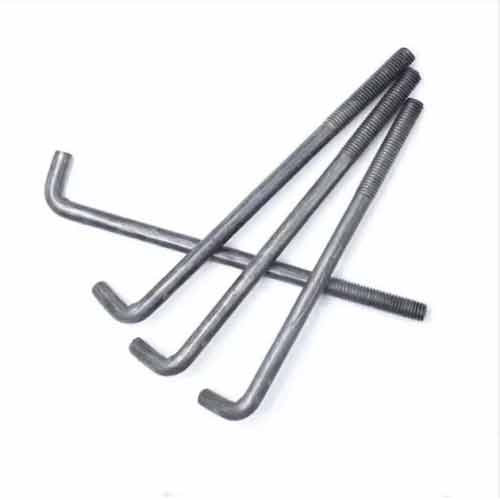
for grip; sometimes hooked ends or plates are used to resist pull-out.
Post-installed mechanical anchors expand or wedge into the hole using
torque-controlled tightening, while adhesive anchors bond chemically with the
concrete. In both cases, installers must follow manufacturer torque specs to
develop full load capacity without overtightening, which can crack concrete.
Inspection and validation come after installation. Pull-out tests or torque
verification confirm that anchors meet design strength. For seismic or
wind-sensitive structures, special seismic-rated anchors may be required, and
inspection ensures compliance with building codes. Protective coatings or caps
may be applied to exposed bolt threads to prevent corrosion in aggressive
environments.
Mastering anchor bolt installation techniques ensures that structures stand
firm against forces of nature and usage. Whether for towering skyscrapers or
industrial machinery, precise execution of layout, drilling, setting, and
inspection translates engineering calculations into real-world safety and
durability.
Previous article:
Installation Guide: How to Properly Embed Anchor Bolts in Freshly Poured Concrete
Next article:
Anchor Bolt vs Through-Bolt Comparison: Selecting the Right Fastening Solution